0Total projects
0Total households reached
USD 0Total budget managed
0Women participants highlighted
| Portfolio | Projects | Households | Budget |
|---|---|---|---|
| Community Engagements | 7 | 12,400 | USD 2,964,950 |
| Consultancy Services | 3 | 235 | USD 450,000 |
| Charity funded initiatives | 5 | 280 | USD 365,671 |
| Total | 15 | 12,915 | USD 3,780,621 |
Updated project record
FAO-supported Community Engagement portfolio
The updated profile identifies SID as a national FAO implementation partner since September 2018, delivering agriculture, livestock, food access, VSLA, and livelihood protection activities across Somaliland districts.
| LoA / Year | Funded by | District | Thematic objective | HHs | Budget |
|---|---|---|---|---|---|
| LoA #60/2024 | FAO / EC CadRe | Burao | Village Savings & Loan Associations activities | 3,000 | USD 1,320,000 |
| LoA #146/2022 | FAO / USAID | Gebiley | Emergency agriculture cash support to vulnerable households | 3,200 | USD 645,200 |
| LoA #146/2021 | FAO / USAID | Zeylac | Protect livelihoods and increase food availability and access | 500 | USD 67,500 |
| LoA #31/2019 | FAO / USAID | Hargeisa | Emergency agriculture cash support to vulnerable households | 1,750 | USD 370,500 |
| LoA #30/2019 | FAO / USAID | Borama | Emergency agriculture cash support to vulnerable households | 1,500 | USD 316,000 |
| LoA #24/2019 | FAO / USAID | Odweyne | Emergency livestock cash support to vulnerable households | 550 | USD 115,500 |
| LoA #146/2021 | FAO / USAID | Zeylac | Livelihood protection and food access for drought-affected communities | 1,650 | USD 315,750 |
TDC-funded rehabilitation and awareness work
The updated profile records USD 365,671 in TDC-supported activities benefiting 280 households in and around Quljeed, including contour bunds, feeder roads, water catchments, reconciliation efforts, and thematic community awareness.
- Darya Dhere contour bund rehabilitation: 60 households
- Hohob to Culacule feeder road rehabilitation: 70 households
- Quljeed water catchment rehabilitation: 50 households
- Quljeed reconciliation activity: 50 households
Five priority themes in Quljeed
The TDC-supported community engagement campaign ran for five weeks from 15 June to 17 July 2025, with 50 participants including elders, women, authorities, facilitators, and SID management.
- Traditional Ecological Knowledge status and future challenges
- Biodiversity role and importance
- GESI approach and future concerns
- Land degradation and resource sustainability
- Climate change perception, mitigation, and adaptation
6,845 women participants
The updated profile records 6,845 women and 6,070 men across 12,915 participating households, reflecting SID’s consistent emphasis on gender-responsive registration and inclusion.
Minimum women participation
SID’s project workflow includes early explanation of women participation requirements to authorities, community elders, and household groups before beneficiary registration.
Project contact and follow-up
The profile notes that SID distributes project management contact numbers to facilitate communication with community elders and stakeholders during implementation.
Field visuals
Project activities in context
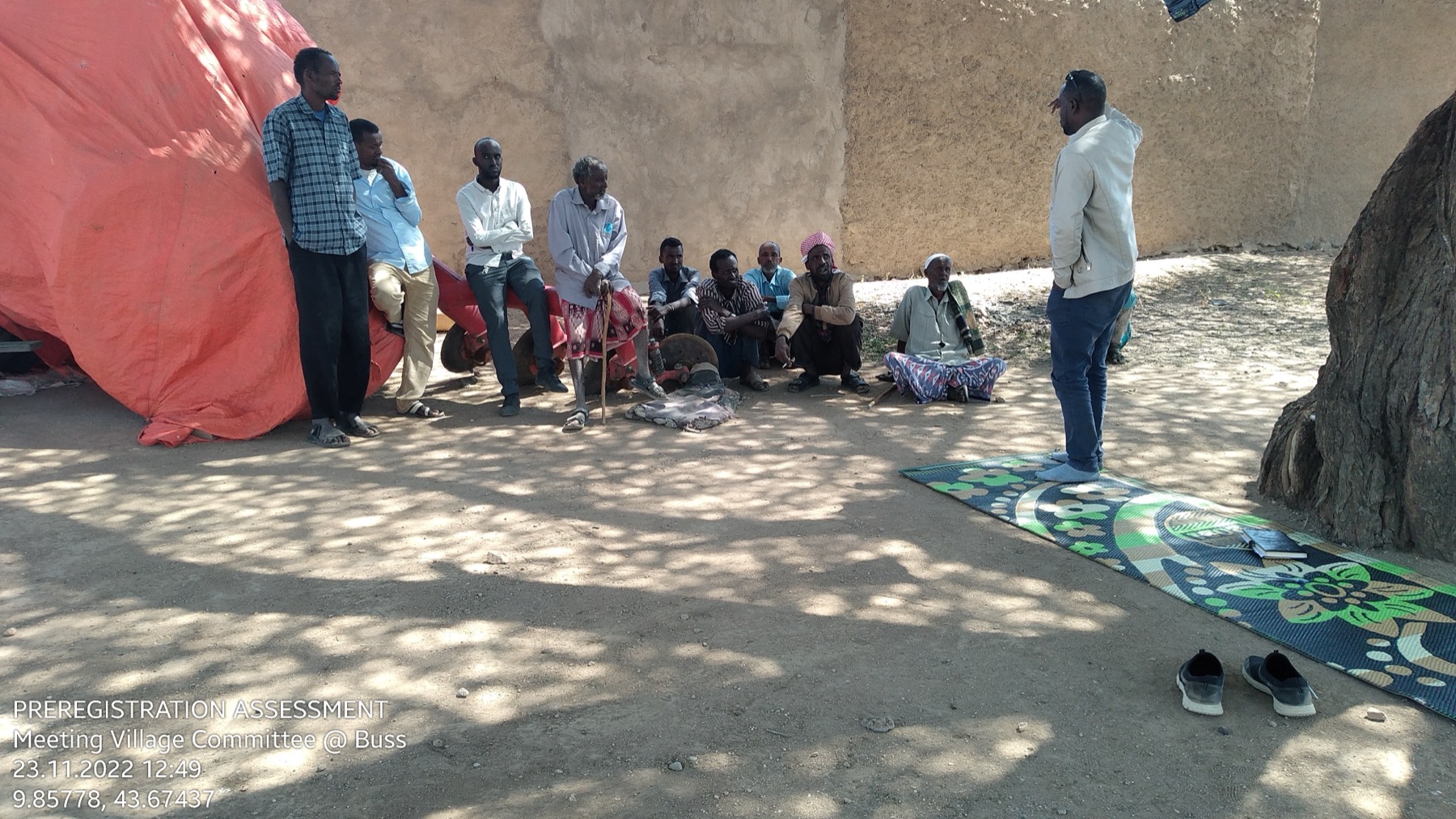
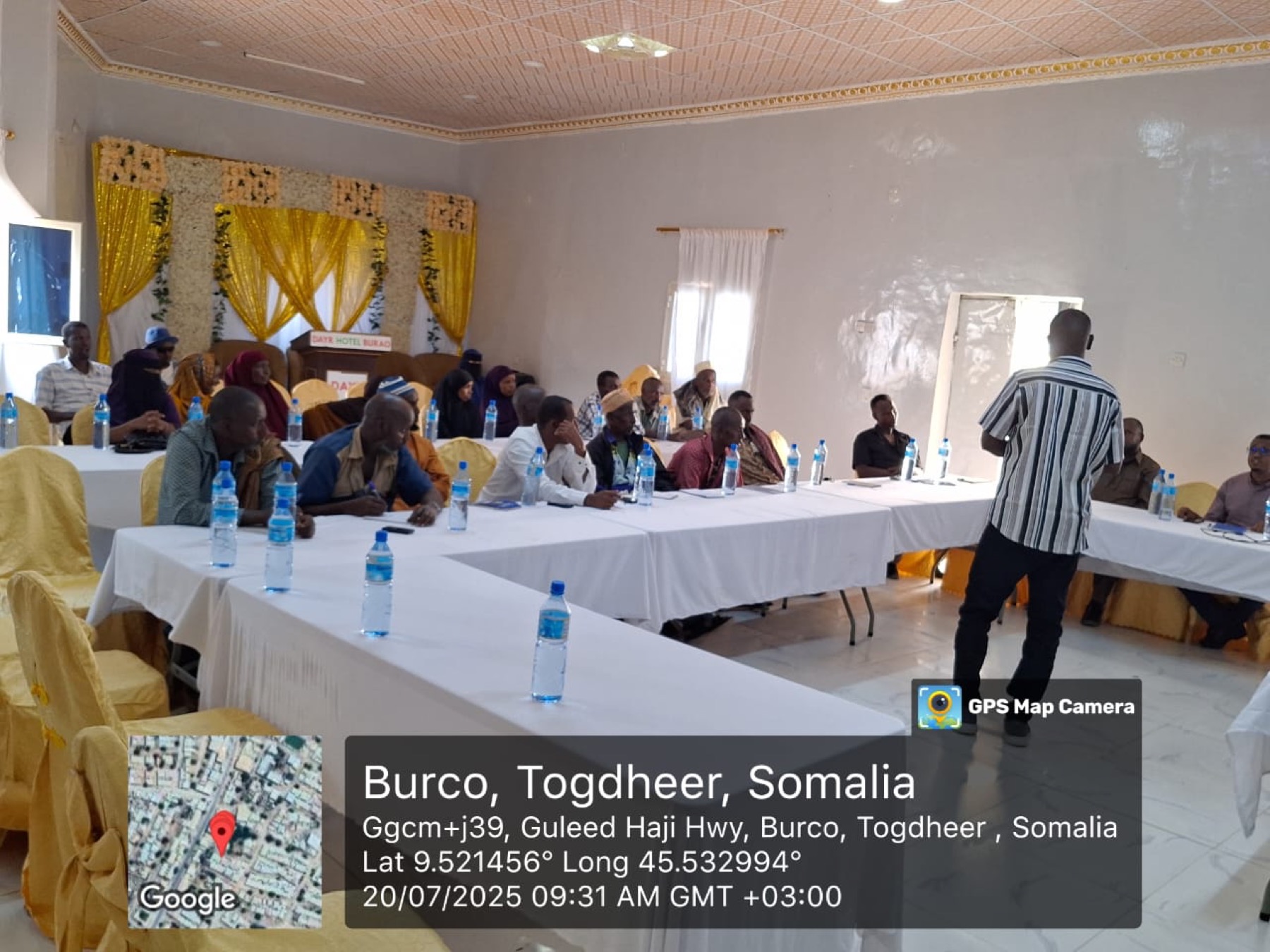
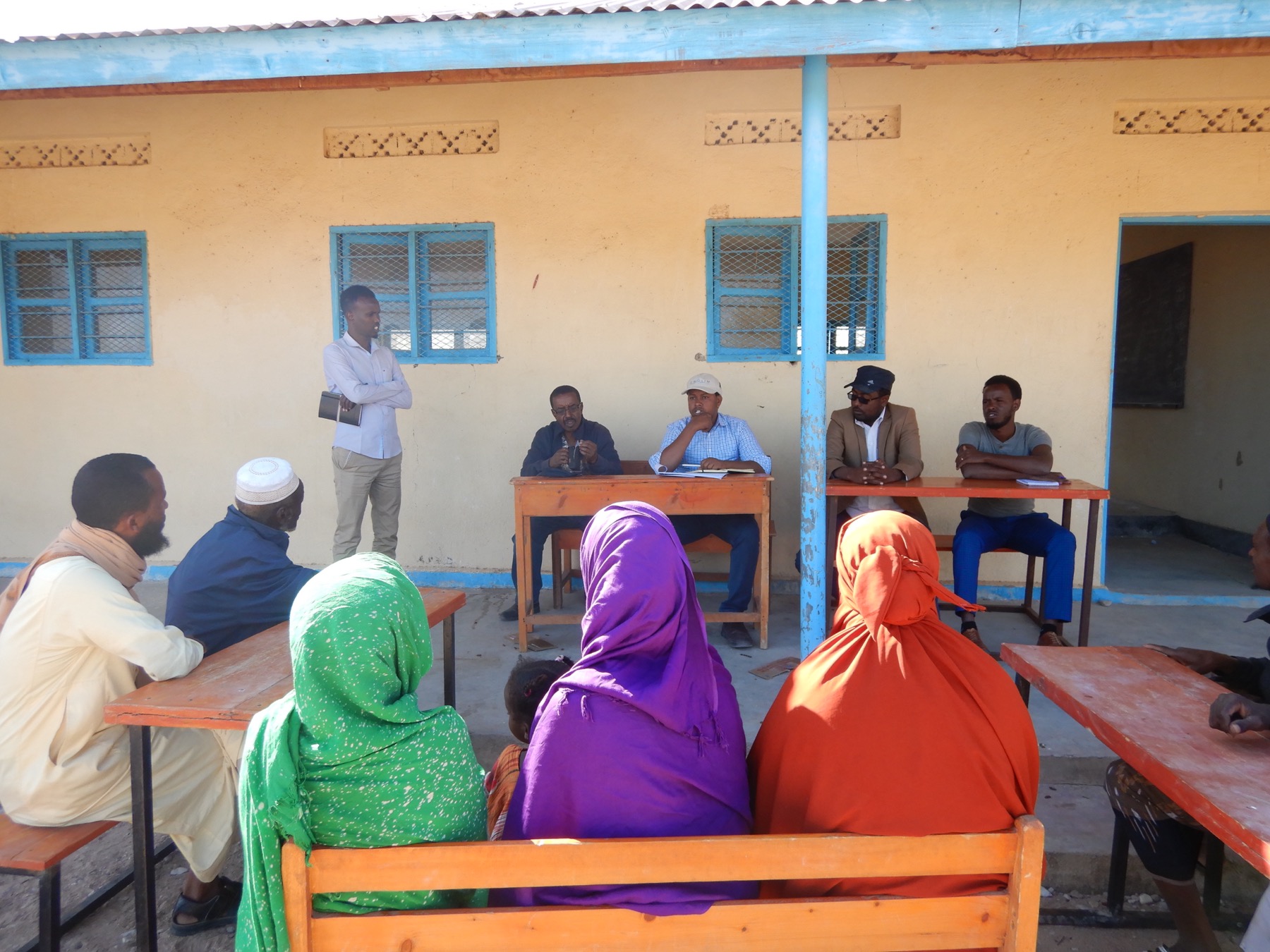
Community mobilization
Village engagement and stakeholder dialogue in implementation areas.
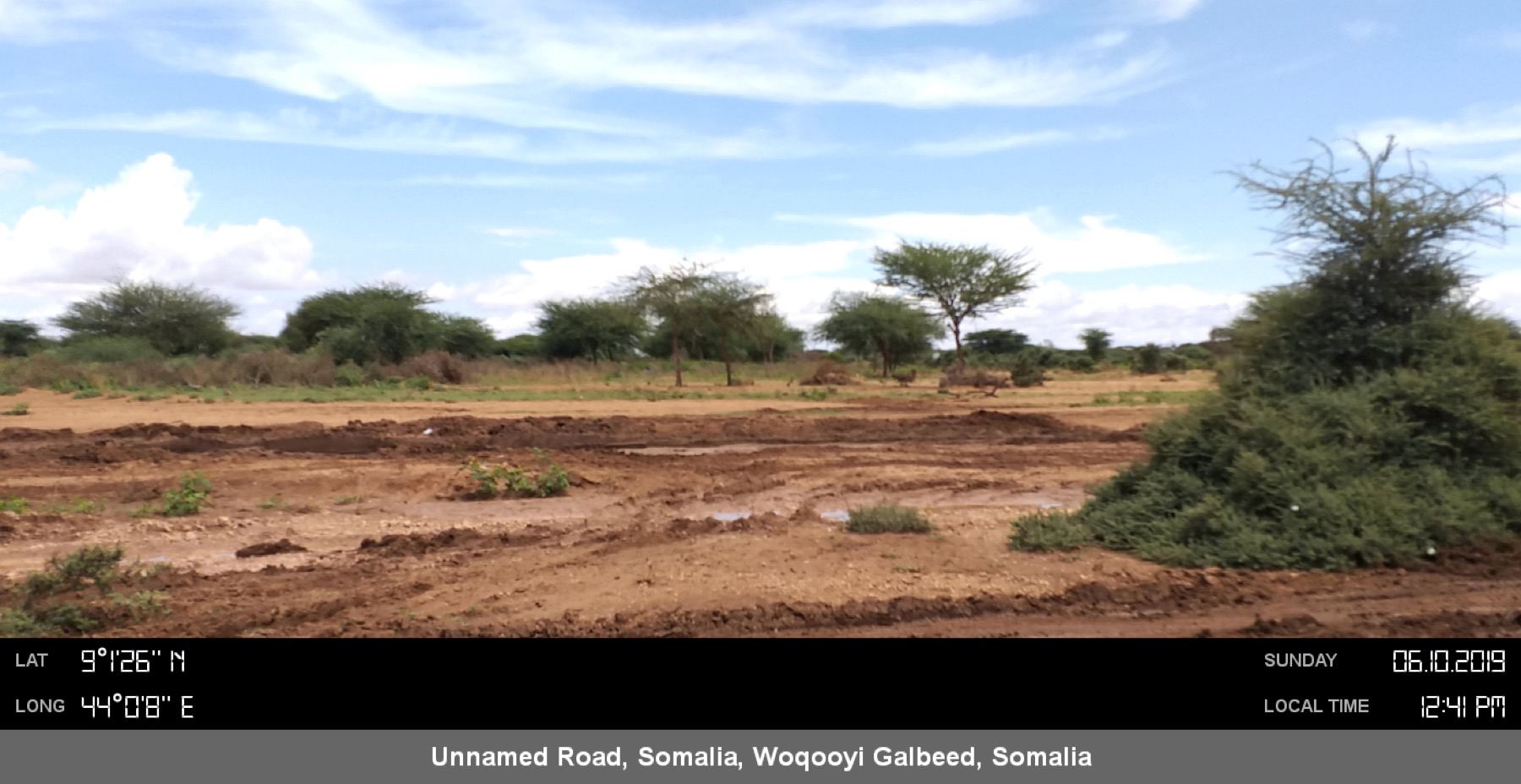
Water and resilience
Practical field activity supporting water access and community systems.
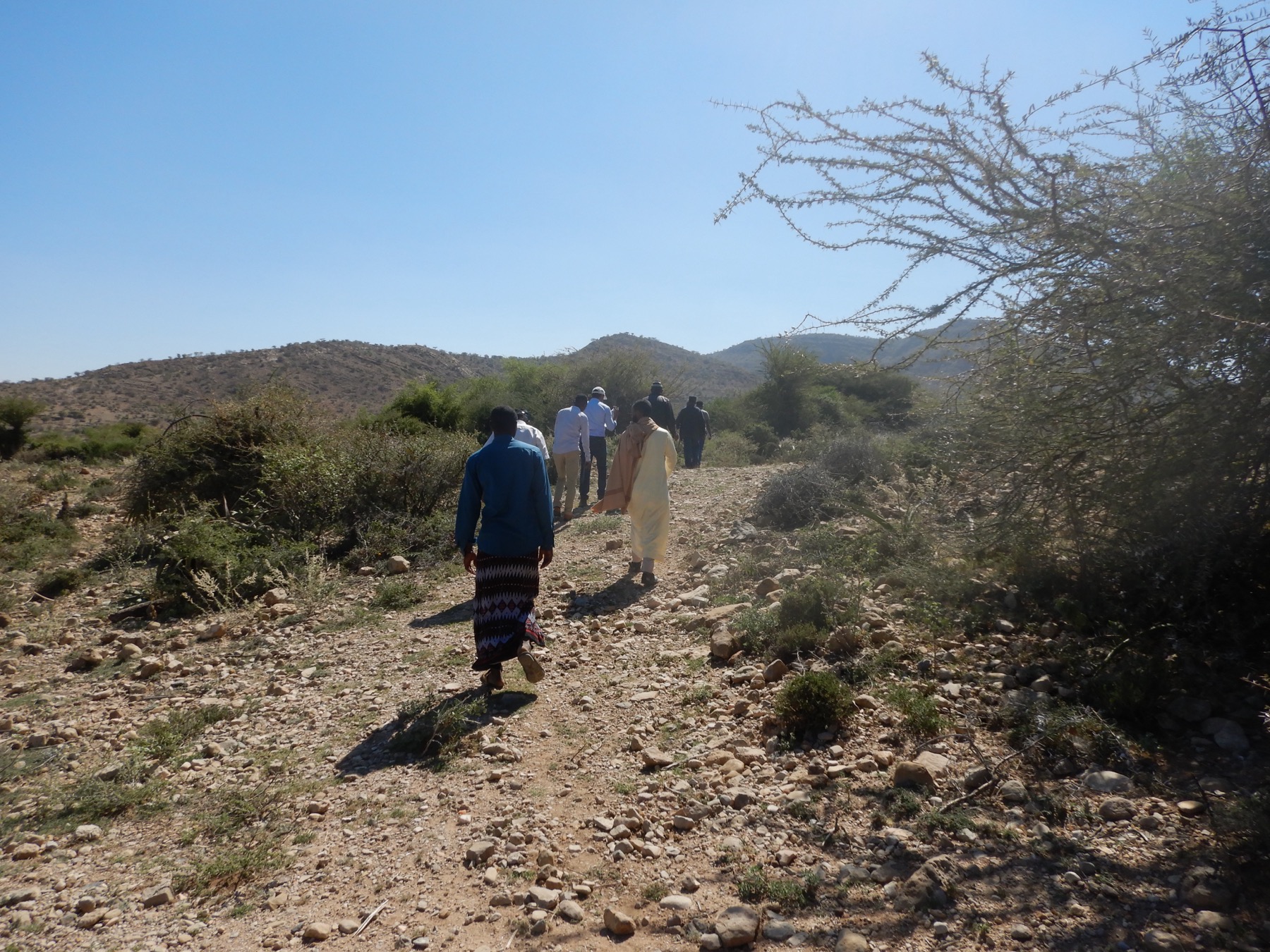
Livelihood systems
Pastoral and agro-pastoral settings where SID's support is delivered.
Project-document imagery
Additional activity evidence from project files
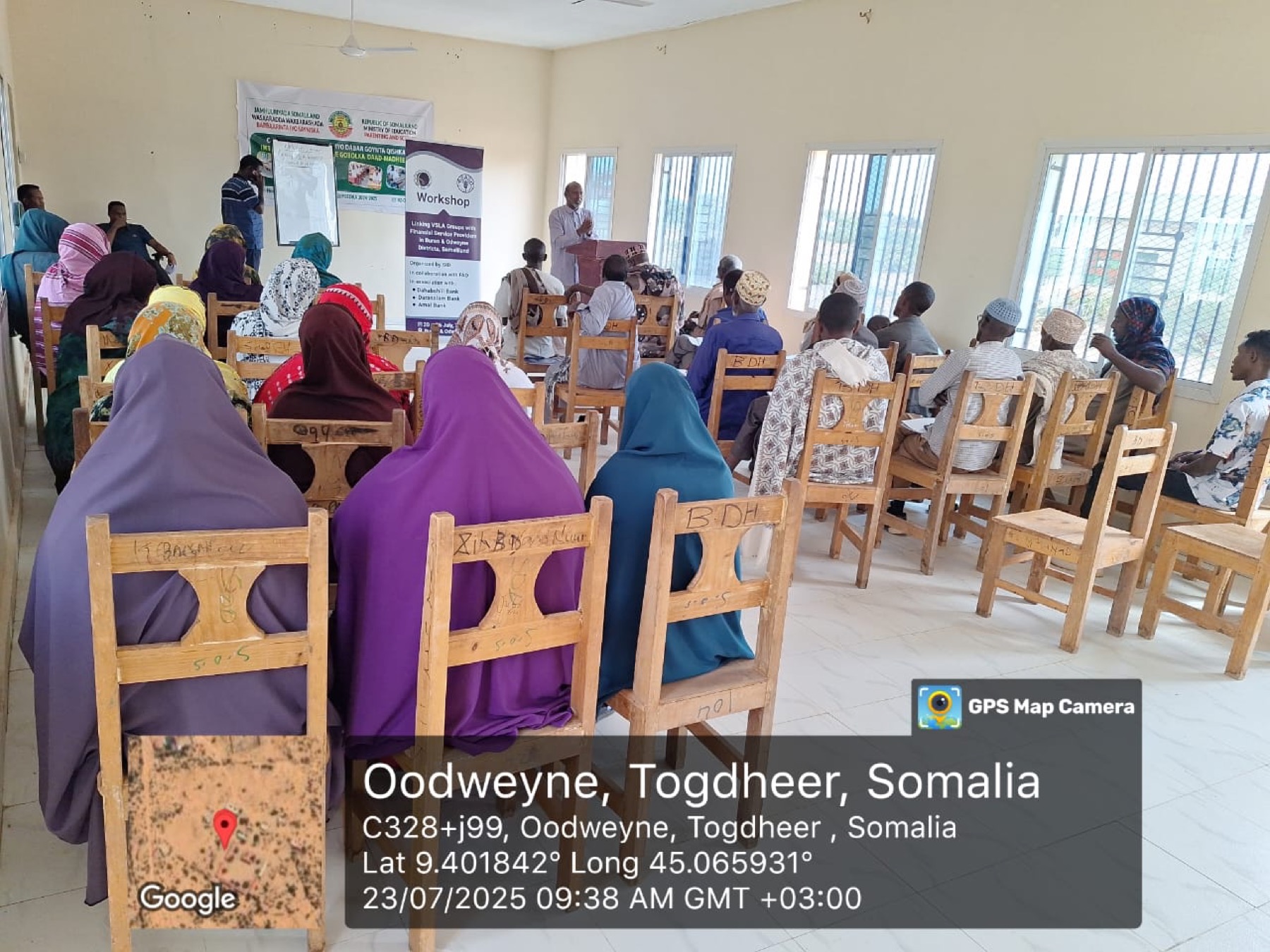
Project documents in the SID folder include photo evidence from infrastructure location assessment, stakeholder consultations, contour bund rehabilitation, water management committee training, and nutrition training activities.
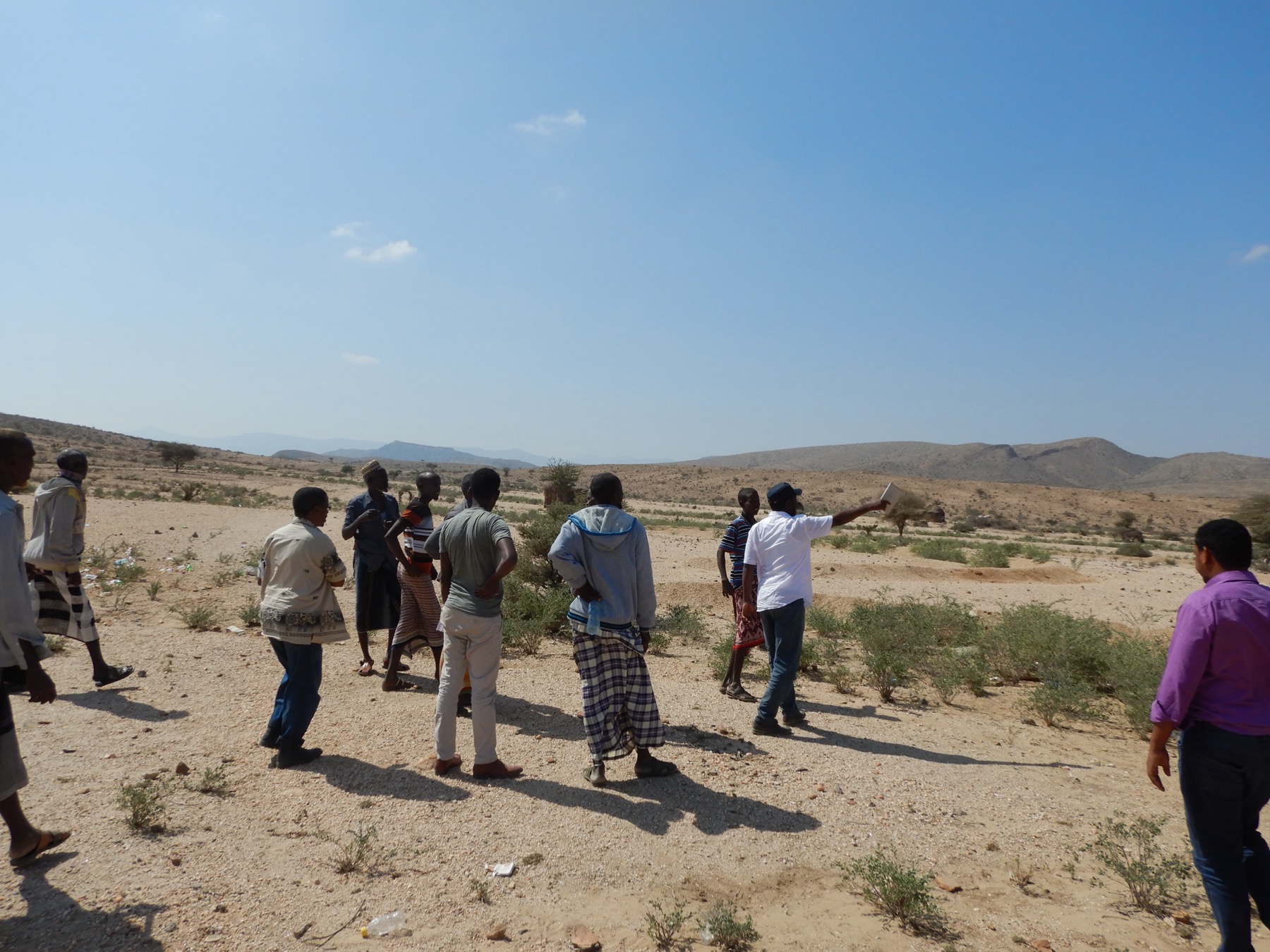
Infrastructure location assessment
Field verification and location assessment for rehabilitation planning in project areas.
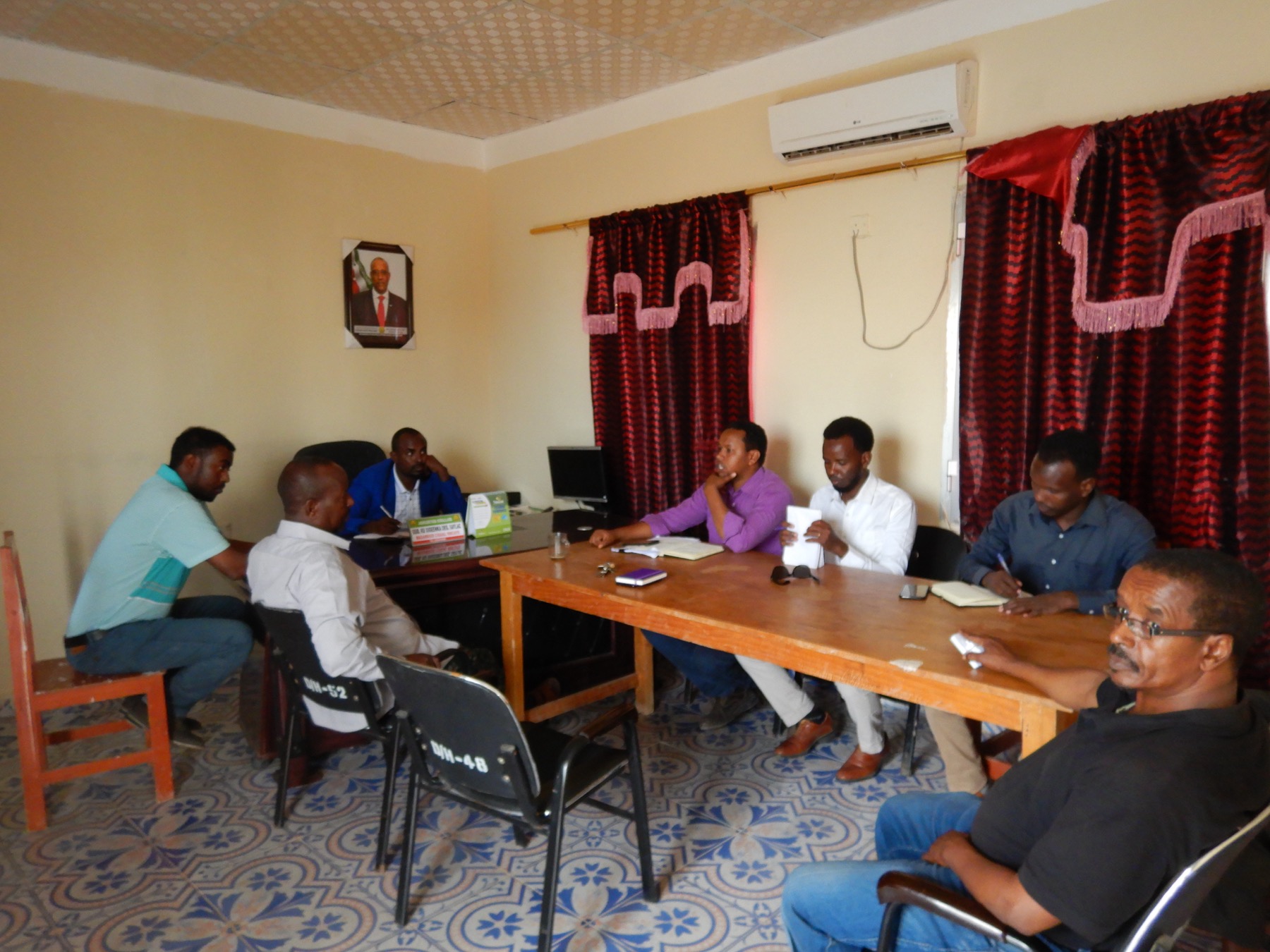
Stakeholder consultation
Community engagement and consultation with local stakeholders before field activities.
Contour bund rehabilitation
Dryland soil conservation work supporting land rehabilitation and livelihood resilience.
Nutrition training
Capacity building and awareness activities from SID’s community-facing project records.
Featured examples
Selected project summaries
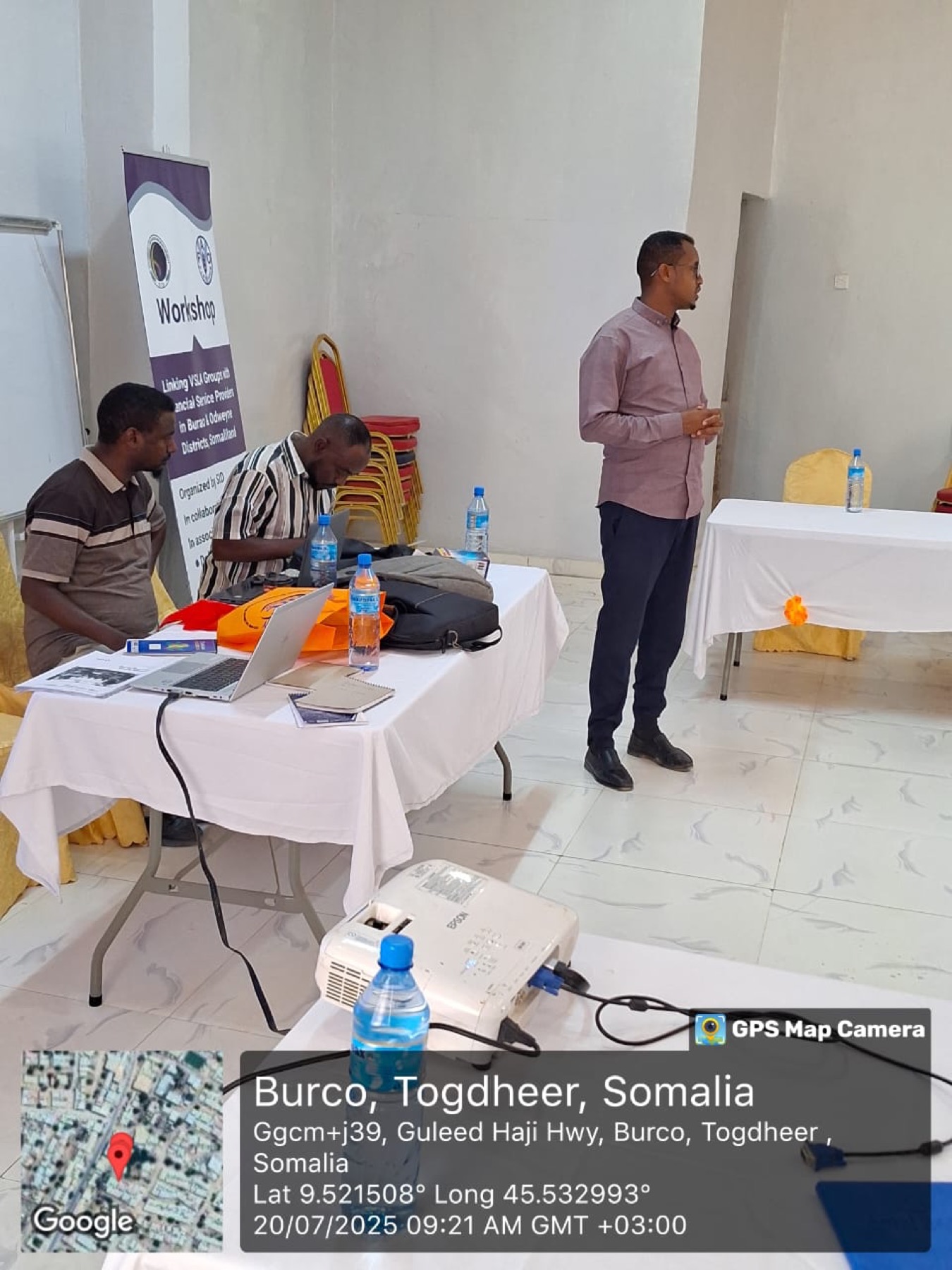
Village Savings & Loan Associations activities
The profile lists FAO / EC CadRe-supported VSLA activities in Burao as one of SID’s major community engagement interventions.
Emergency agriculture cash support
The profile records emergency agriculture cash support in Gebiley, Hargeisa, and Borama for vulnerable farming households under FAO / USAID-backed activities.
Emergency livestock cash support and rehabilitation works
Odweyne livestock support and TDC-funded contour bunds, feeder roads, water catchments, reconciliation work, and climate awareness activities show SID’s combined humanitarian and resilience approach.
Who SID reaches
- Pastoral and agro-pastoral households
- Women and youth groups
- Vulnerable and marginalized communities
- Rural households affected by climate and livelihood stress
- Local institutions and implementing actors needing technical support
How SID structures results
SID’s portfolio combines emergency support, livelihoods protection, infrastructure rehabilitation, climate awareness, community mobilization, and technical advisory work. That mix allows the organization to respond to immediate needs while strengthening resilience and systems over time.
The profile also emphasizes SID’s consistent adherence to women’s participation thresholds and gender-responsive implementation in line with project partner guidance.
Program presence
Implementation shaped by place, people, and practical access
Across Borama, Zeila, Gebiley, Hargeisa, Burao, Odweyne, and other referenced districts, SID's projects are rooted in field access, local coordination, and practical engagement with rural households and local leadership structures.
That local presence is part of what allows SID to move between emergency support, livelihood protection, rehabilitation, and longer-term resilience activity with credible community access.