Major partners
Documented institutional relationships
FAO
SID’s most important technical and sponsoring partner across multiple national implementation assignments since 2018.
World Food Programme (WFP)
Listed among SID's important funding and operational partners in the wider humanitarian and food security ecosystem.
European Commission / EU
Recorded as a funding source behind major FAO-supported resilience and livelihood activities.
USAID
Profiled as a major donor behind emergency and humanitarian interventions prior to its abrupt reduction in early 2025.
Information Management Centre (IMC)
Technical partner for land and water resources data collection, GIS, watershed work, and early warning-related analysis.
The Diaspora Council (TDC)
Longstanding diaspora-backed supporter of infrastructure rehabilitation, climate awareness, and community-focused initiatives.
Government engagement
SID engages Somaliland’s ministries of Agriculture, Livestock, and Water Resources, regional authorities in Awdal, Maroodi Jeex, and Togdheer, and relevant Somalia federal and state authorities including South West, Jubbaland, and Galmudug in referenced work areas.
Grassroots stakeholders
Community elders, local authorities, women’s groups, youth groups, pastoral and agro-pastoral households, vulnerable groups, and beneficiary households form SID’s practical stakeholder base.
Shared delivery and learning
Through networking and liaison, SID supports data sharing, assessment missions, technical consultations, and context-sensitive implementation alongside partner institutions.
Structured partnership development through FRMT
The updated profile explains that SID’s partnership approach is supported by a Funding Resources Mobilization Team (FRMT), appointed by the Board and supervised by the Executive Director. The team is responsible for tracking opportunities, preparing concept notes, maintaining networks, and reporting progress.
- Board appointment of a Funding Resources Mobilization Team
- Coordinator and assistants for day-to-day follow-up
- Weekly updates and quarterly progress review reporting
- Concept note preparation and donor application tracking
Broadening humanitarian and resilience funding sources
SID’s updated strategic direction encourages innovative fundraising after the reduction of USAID assistance in 2025, including grant bids and potential outreach to Gulf-based humanitarian and development foundations.
Examples named in the profile include Al Maktoum Foundation, Arab Gulf Program for Development, Mohamed Bin Zayed Foundation for Humanity, Qatar Fund for Development, Kuwait Fund for Arab Economic Development, and KSRelief.
Stakeholder workflow
How SID coordinates project entry and accountability
Ministry and authority introduction
SID begins assessment missions with relevant ministries, senior staff, regional authorities, governors, mayors, council members, and local authorities.
Community-level discussion
District and local discussions help identify participating communities, allocate household targets, and explain beneficiary registration requirements.
Beneficiary registration
Community elders, heads of household groups, and project teams coordinate registration while maintaining minimum women participation requirements.
Monitoring and communication
SID shares project management contact information, handles beneficiary concerns, reports to partners, and supports accountability throughout implementation.
SID’s partnership approach
- Aligns donor resources with real community priorities
- Strengthens accountability through multi-stakeholder engagement
- Improves technical quality through collaboration and review
- Supports implementation in fragile and climate-affected settings
- Connects local knowledge with institutional systems and funding
Who SID is ready to work with
SID is positioned to collaborate with donors, UN agencies, INGOs, national NGOs, government counterparts, technical consultants, research teams, and local community networks seeking reliable implementation and practical field intelligence.
Partnership in action
Field coordination with authorities, communities, and partners
SID’s partnership model depends on visible engagement: district introductions, community meetings, stakeholder consultation, and technical follow-up with implementing partners.
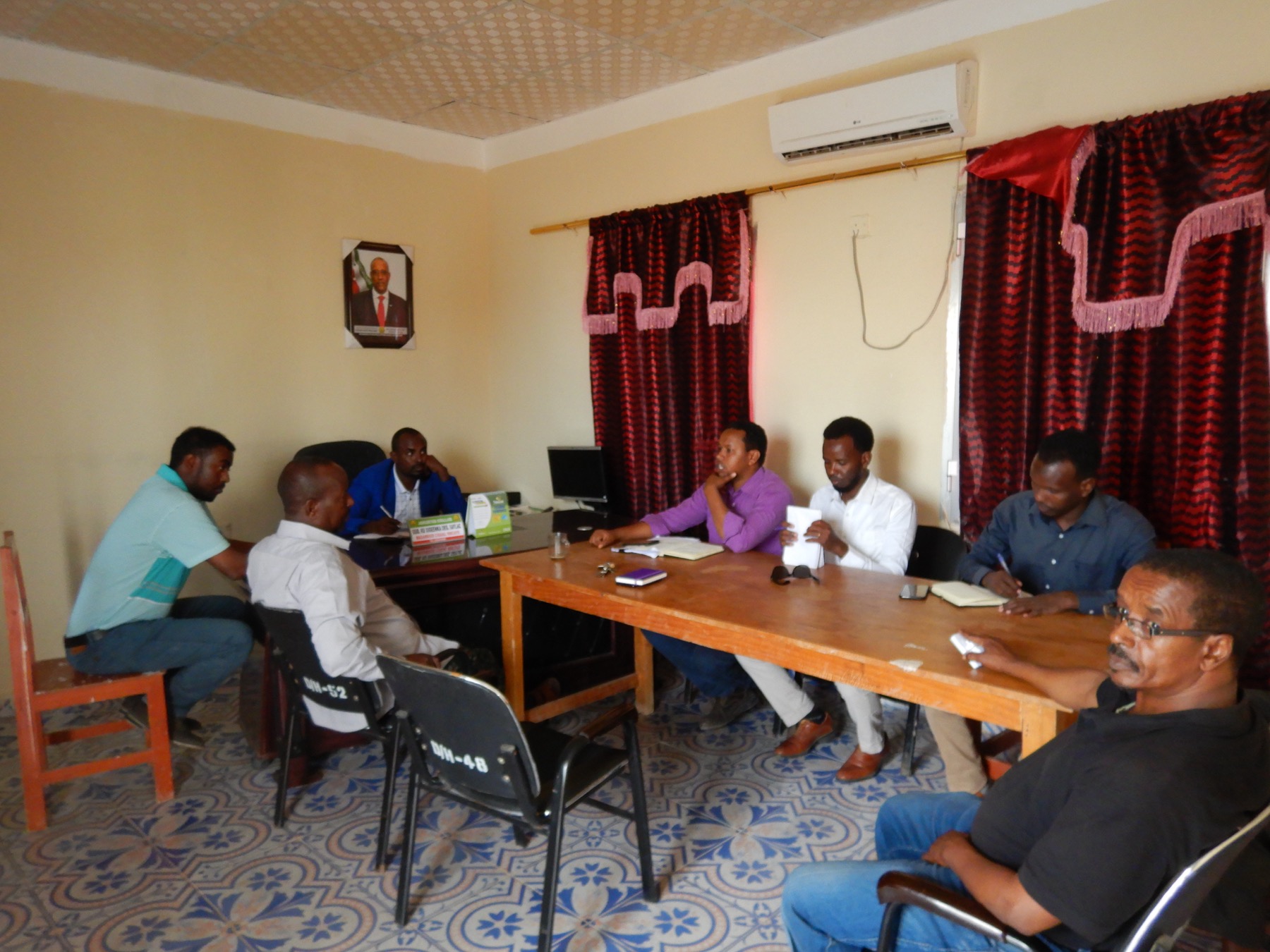
Authority coordination
District-level engagement helps align projects with local priorities and governance channels.
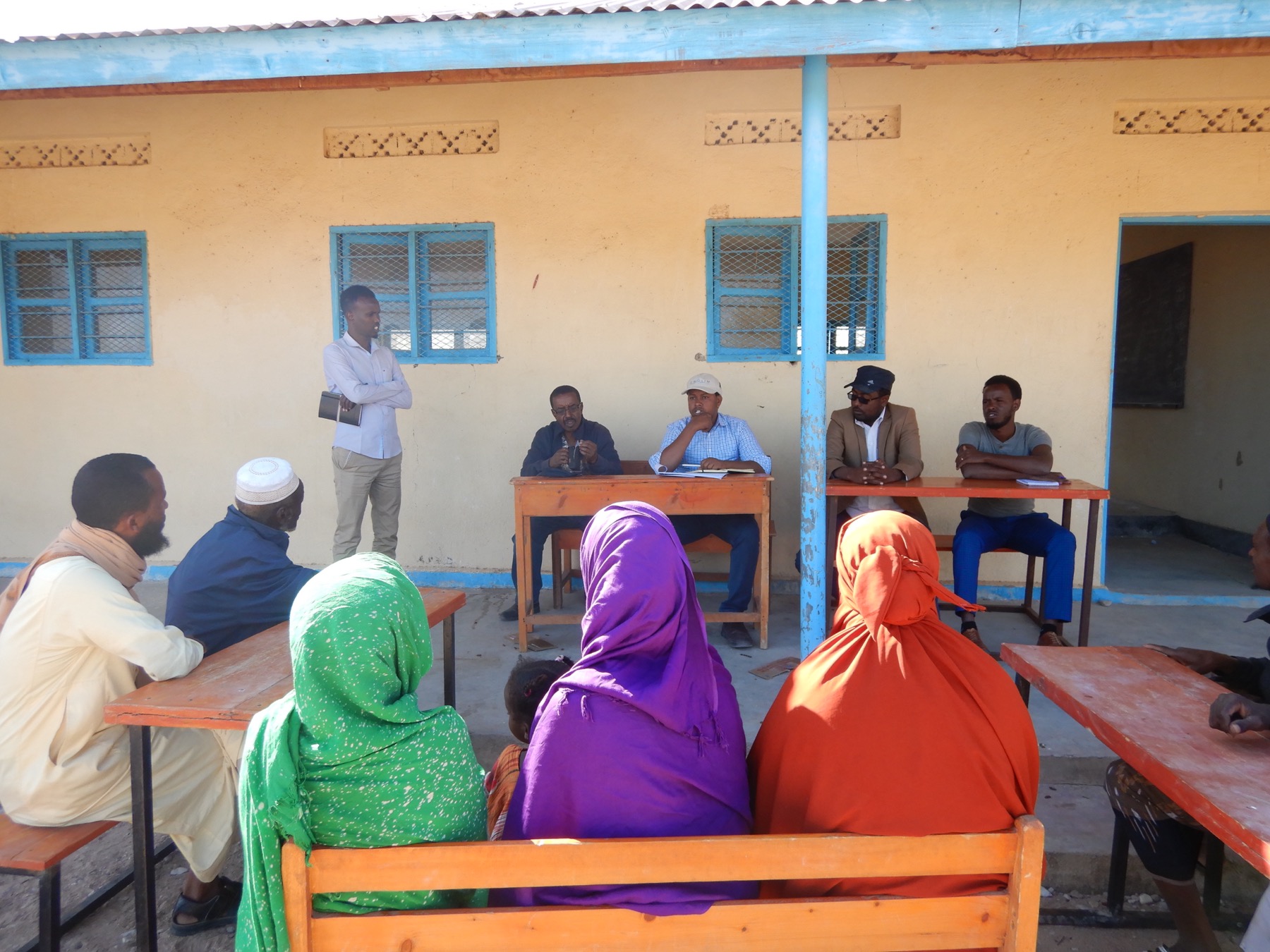
Community elders
Traditional leadership remains central to access, legitimacy, and accountability.
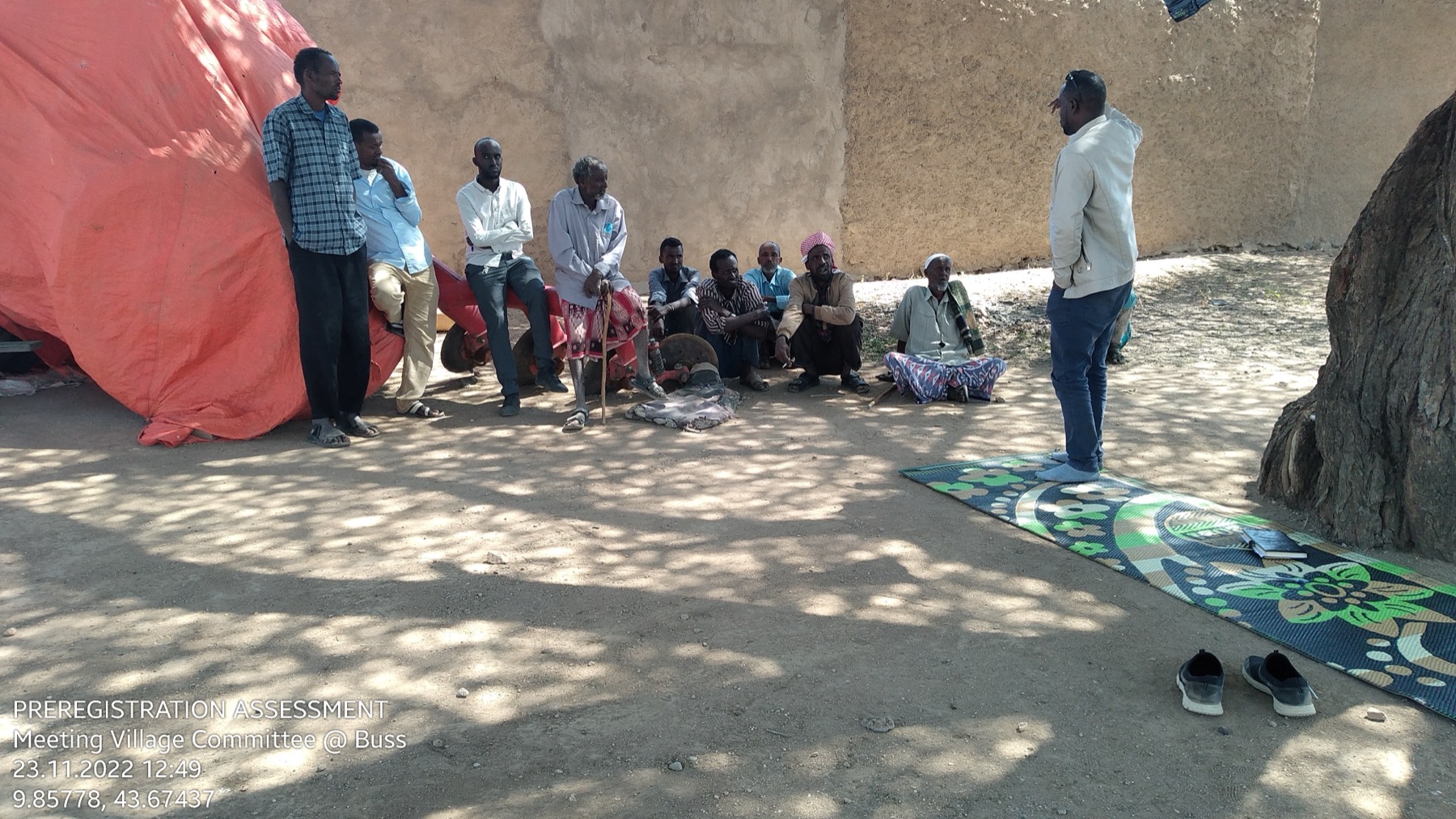
Village participation
Meetings clarify project scope, eligibility, and participation expectations.
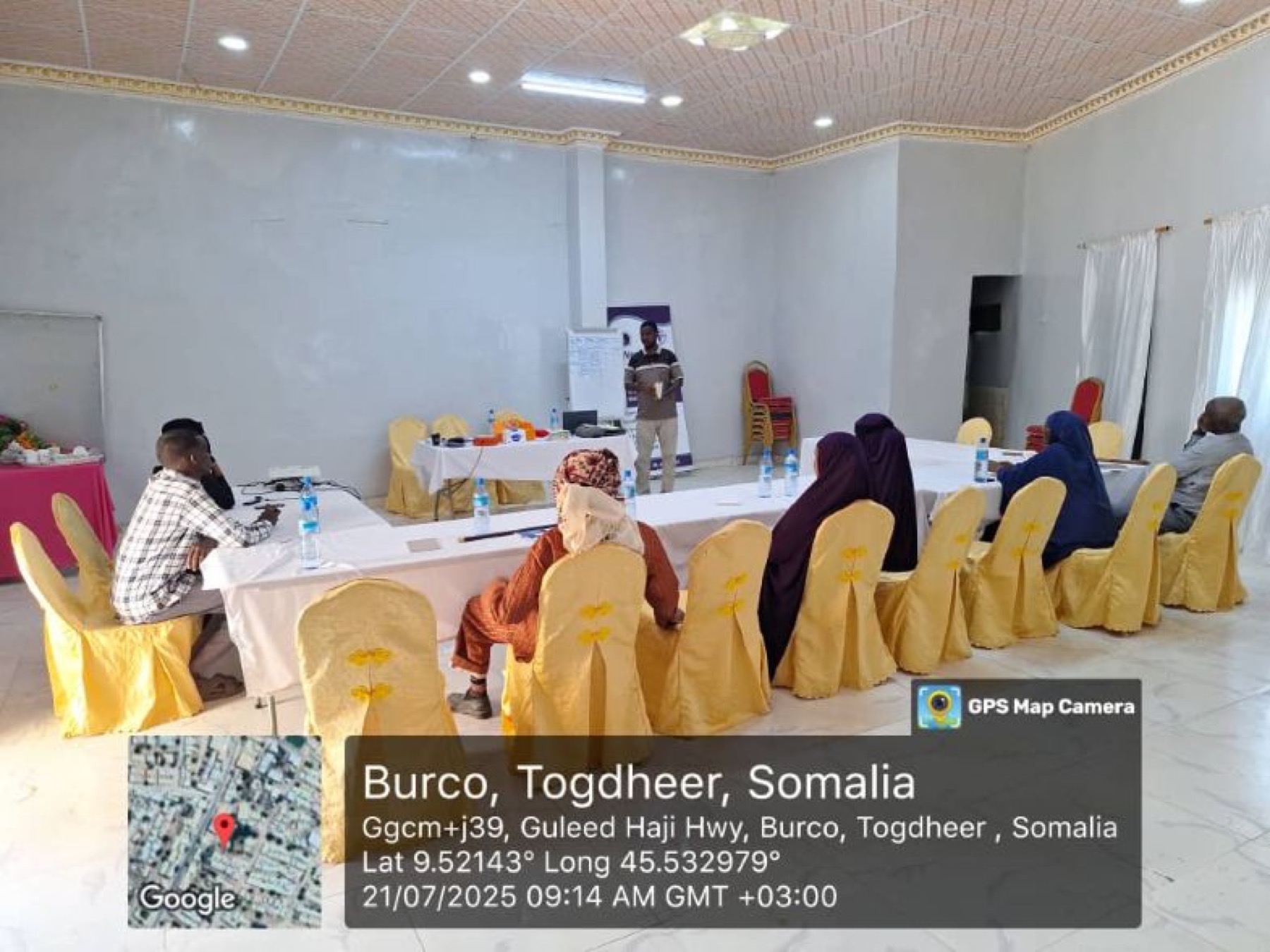
Partner follow-up
Training and refresher sessions strengthen delivery quality and learning.